


Valerie stood at the counter with the watermelon. It was heavy and round, the color of summer. Her hands were steady, but the rest of her wasn’t.
She had the knife. It was sharp. It had been sharpened last week because she liked clean cuts. The kind that didn’t tug or tear. She liked things clean now. Years ago, she hadn’t. She had liked messy and fast and numb.
The watermelon gave under the blade with a soft crack. That sound was good. Familiar. It broke the silence without being loud. She made the first slice, then the next.
It had been a rough few days. Her eyes were tired. Her face held something heavy, though you wouldn’t know what unless you’d seen it before. She hadn’t cried. She wanted to. She kept waiting for it to come like rain in dry heat, but it hadn’t come.
The thought came again—drink.
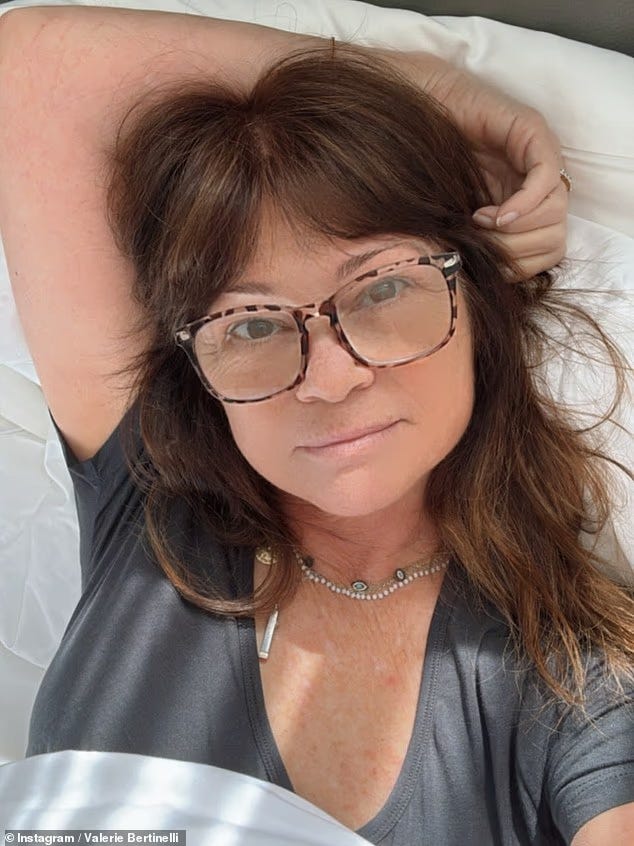
It wasn’t loud anymore, just steady. Like a hum under her ribs. She knew the place it came from. She didn’t judge it. But she didn’t listen either.
She had done the thing before. Drink when it got too much. Eat when it got too much. Sleep when it got too much. There were a hundred ways to not feel. She knew all of them. But now she was trying to feel it instead.
That was harder.
She cut the watermelon into thick slices. The juice ran down her hand, sticky and red like something else. It smelled good. Sweet and real. That helped.
The world was quiet. Too quiet maybe. The kind of quiet that makes you aware of the sound inside your head. Her thoughts hadn’t stopped in days. They turned in circles. They pulled up things she didn’t want to see. Old memories. Old voices.
You should be stronger than this.
You’re not enough.
You’re too much.
You’ll always be alone.
She let them come. Then she told them to go. One by one. Like guests overstaying their welcome.
She looked at the watermelon. “You’re not here to numb,” she said out loud. “You’re here to feel.”
Remi, the neighbor’s dog, barked twice and then stopped. The hum of a lawn mower somewhere down the block faded out. Valerie exhaled. She picked up a slice and took a bite.
It was cold. Sweet. Honest. It didn’t pretend to be anything else. She liked that. She chewed slowly and listened to her own breath.
The urge to drink didn’t go away completely. But it changed shape. It became a thought, not a command.
You could. But you won’t.
She stood there with the fruit and the sun coming through the window. It was watermelon season. She loved this time of year. The heat. The color. The quiet ache of something ending and something else beginning.
She didn’t say why she was sad. She didn’t even try to name it. Some sadness doesn’t have a story. Some sadness just shows up and sits beside you until it’s ready to leave.
There was a time she would’ve reached for the bottle without thinking. Or the bag of chips. Or the ice cream. Anything cold and sweet and fast. But that hadn’t worked. Not really. It had buried the feelings, but it hadn’t healed them.
She had learned that the hard way.
Now she chose watermelon. Not because it fixed things, but because it didn’t lie to her.
She took another bite.
Discover the heartfelt stories of John Rinaldo—author of Remi’s Journey, Rediscovering Vancouver, and Dancing Letters. Each book inspires hope, healing, and wonder. Available now on Amazon.

There was a crack as she broke another slice in half with her hands. The sound was soft and full. She smiled.
“I love that sound,” she said. There was no one in the room. That didn’t matter. Saying it made it real.
The watermelon dripped. She let the juice run down her wrist.
She didn’t clean it right away.
Some feelings you’re meant to sit in.
She leaned on the counter, chewing. The knife was beside her. She’d wash it soon. But not yet.
The sadness was still there. But so was she.
She didn’t need to explain why. That wasn’t the point. She didn’t owe anyone a reason for why her chest felt like a bruise, or why the tears wouldn’t come. She just knew she was sad. And that was enough.
You don’t always need to name the storm to know it’s there.
She thought about that. About how people talk about feelings. How they rush to fix them. Numb them. Drown them in drinks or drown them in noise. But maybe feelings just want to be heard. Maybe sadness just wants to sit down and be recognized.
She looked at the slices of fruit on the cutting board. They looked like smiles. Red and wide. She thought that was funny.
Valerie wasn’t crying. But her heart felt looser now. Like maybe the tears would come later, when she was brushing her teeth, or looking out the window, or in the middle of a laugh. That was how it worked sometimes.
You hold it in, and then it shows up when you’re not trying.
She knew that too.
The thoughts came back—just a flicker.
You’re weak for feeling this much.
She shook her head.
No. I’m strong because I’m not running.
She took another bite.
There was no music. No distractions. Just her, the fruit, and the hum of the fridge. A bird called outside. Then another answered.
She could have posted about it. She could’ve gone online and made it a thing. But maybe she wouldn’t. Maybe this moment was just for her.
Still, she talked.
“Feelings are just information,” she said. “They don’t stay forever.”
She wiped her hand on a towel. The watermelon was almost gone. Just the rind now. That was alright.
“I feel sad,” she said.
Then she waited.
The world didn’t end. Nothing broke. The silence didn’t crush her. It held her.
And maybe that was enough.
She turned off the kitchen light. The sun was higher now. The air smelled like warm grass.
She stood for a moment.
Then she whispered, “I’ll be okay.”
She meant it.
And she was.
-Rinaldo
Enjoyed this? Fuel me ☕
Subscribe to The Positive Pen on Substack for honest daily reflections and uplifting stories to carry you through the week. This post is public—feel free to restack and share it with anyone who could use a little light today.

Inspiration for This Story.
This story was inspired by a real and raw moment of emotional honesty—Valerie’s quiet battle with the urge to numb her pain through alcohol or food. It reflects the universal struggle of sitting with discomfort instead of escaping it. The watermelon becomes a symbol of simple, nourishing choices—a small act of defiance against shame and self-sabotage. The story honors the strength it takes to feel deeply, to stay present, and to let sadness exist without drowning in it. It’s a reminder that healing often lives in the ordinary—one breath, one bite, one honest moment at a time.
 Tiktok failed to load.
Enable 3rd party cookies or use another browser
—John V. Rinaldo
So much wisdom in this story. I particularly appreciated this statement: "You don’t always need to name the storm to know it’s there." Sorrow and grief hang with us, and we hope to find a way to rise above self-destructive behaviour, which is why I loved her sense of being attuned to the watermelon. The pleasure derived provided both escape and truth. Beautiful.
Really enjoyed reading this, John!
Your words have a way of turning the ordinary into vivid, distinct pieces of art that stay with you long after you’ve left the gallery.
Beautiful work - cheering you on!