



A few days ago, I wrote something simple. A reminder, really.
That we can be better people here — less political, more human.
It wasn’t about sides. It was about community. About how we’ve let the noise eat away at our decency. Everywhere I go now feels like a battlefield — not the kind you see on the news, but one that lives around dinner tables and sidewalks and Sunday mornings.
You feel it in the pauses.
The careful words.
The eggshells underfoot.
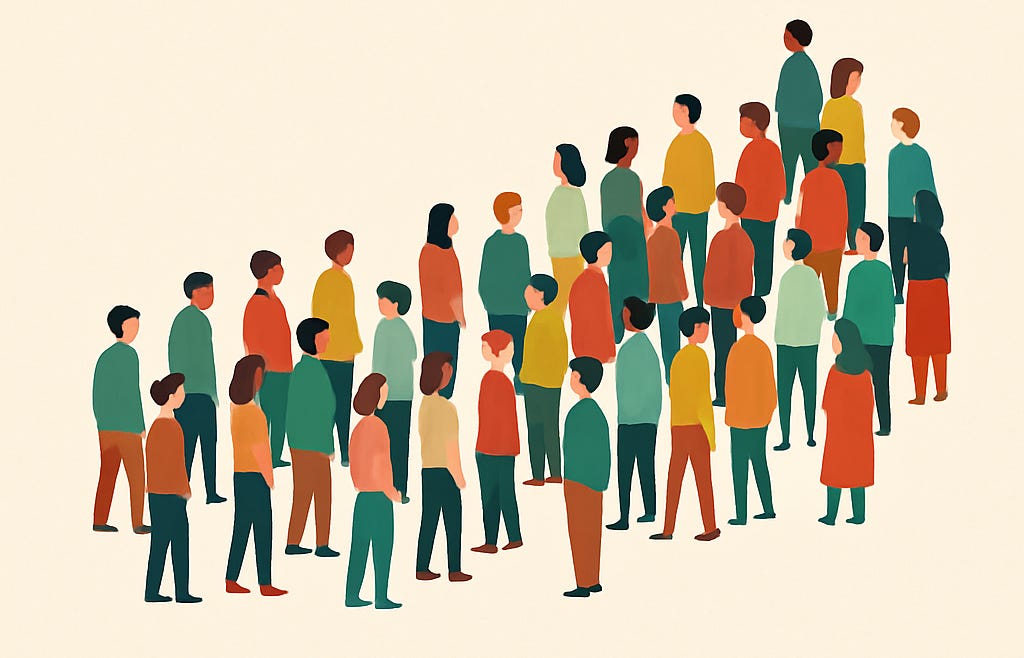
You sit with family or friends and you watch them choose silence over honesty, not because they don’t care, but because they’re scared of losing one another. Scared of saying the wrong thing.
One night at dinner, a man said he wanted to leave this country. Said it like a confession. Like he was escaping a prison. I remember looking at him and thinking — when did it get this bad? When did the land of the free start feeling like a locked room?
It’s not just politics. It’s trust. We trusted people — in suits, on screens, behind podiums — to fix things that only we could fix. And we let it rot. Not in a day, not in a year, but over decades of quiet neglect.
So I wrote something small — a Substack tip, the kind I post now and then:
💡 If you come to my feed with negativity meant to tear others down, I’ll delete and block. We’re here to lift each other up—because words matter. I’m raising my standards. Sure, words can be funny when used well, but cheap trash talk just causes harm. Let’s be authentic. Let’s encourage, inspire, and use our words to build—not break.
It wasn’t a sermon. Just a line in the sand.
Then Franky commented on this post.
She lives in New Zealand — half a world away — and yet her words felt like they came from my own backyard. She called her piece “Half the Story.”
When I read it, my chest tightened.
It wasn’t just her poem. It was the truth in it — the kind you don’t want to admit because it hits too close to home.
She said she looked at America from afar and used to wonder why we didn’t rise. Why we took to the streets for everyone else but not for ourselves. Why we didn’t fight harder for our sons and daughters, our neighbors, our own breaking hearts.
Then she said something I’ll never forget:
“It’s not apathy. It’s exhaustion.”
And that stopped me.
Because I knew she was right.
We’re not asleep — we’re spent.
We’ve been carrying too much for too long.
We get up, go to work, pay the bills, scroll the news, and try to hold it together while everything around us frays at the edges. We watch headlines turn our pain into content. We watch politicians perform empathy like it’s theater. And we’re supposed to cheer?
No. We’re tired.
But tired doesn’t mean broken.
Franky wrote she lived through earthquakes in Christchurch — hundreds of thousands of them. She said her children learned fear before they learned words. And still, they rose quietly. They didn’t flood the streets or scream into microphones. They just turned inward and took care of each other.
That line stayed with me too:
“When the big picture feels too far gone, you start small.”
Maybe that’s what we forgot.
We’ve been trained to think power is loud — that change needs cameras and crowds. But maybe it begins in kitchens, in coffee shops, in the way we treat the stranger who doesn’t vote like us.
Franky reminded me that revolutions don’t always march. Sometimes they plant. Sometimes they bake. Sometimes they sit beside someone who’s hurting and say, you’re not alone.
And maybe that’s where we start.
📚 All of my stories began on Substack. Now, The Quiet Miracle and Earned, Not Given are here — new releases, available now on Amazon. ✨


Because we’ve lost so much to division. We’ve lost the habit of grace. We’ve lost the ease of conversation. We’ve lost the small courtesies that once glued us together.
Now everything is filtered through suspicion.
Every question feels like a trap.
Every difference feels like a verdict.
We whisper in restaurants because we don’t know who’s listening. We check our words like currency. And somehow, we’ve come to believe that empathy is weakness.
But that’s the lie.
Empathy is the last strong thing left.
Franky’s words — written from the edge of the world — found me when I needed them most. She saw what I’d been trying to say but couldn’t. That what’s breaking America isn’t hate — it’s heartbreak.
We love this country.
We love the idea of it.
We just don’t recognize the reflection anymore.
Everywhere you look, someone’s yelling. Everyone wants to be right. But the truth doesn’t live in arguments. It lives in the quiet — in the spaces between noise — where people still care about one another, even if they’ve forgotten how to say it.
Franky wrote,
“You are many. They are few.”
And maybe that’s the hope.
Because when the people remember who they are — when they see one another not as enemies but as kin with different wounds — everything changes.
I read her poem again that night.
Then again the next morning.
And I realized something:
We are still capable of rising.
Not in anger, not in protest, but in presence.
By showing up.
By refusing to hate.
By tending to what’s near instead of screaming at what’s far.
It’s easy to lose faith in times like this.
It’s harder to keep showing up for one another.
But maybe that’s what faith looks like now —
not in churches or halls of power, but in the way we choose to listen, to forgive, to stay.
There’s a quiet kind of courage in refusing to give up on your country, even when it feels like it’s given up on itself.
Franky said hope travels faster than planes.
I believe that.
Because hope found its way across an ocean, through a screen, into my heart — and reminded me that exhaustion isn’t the end. It’s the edge before renewal.
So here’s what I want to say,
to Franky,
to anyone still reading,
to anyone holding on by a thread:
We’re not lost.
We’re just tired.
And tired people can still build beautiful things.
Maybe the work now isn’t to shout louder —
it’s to speak clearer.
To build trust again, one conversation at a time.
To stop waiting for someone else to fix it.
To stop hating strangers we’ve never met.
To remember that this place — for all its cracks and noise — still belongs to us.
We’ll rise again, but differently this time.
Not with slogans or sides.
Not with bitterness or blame.
But with the simple act of being human.
With hands that help.
With hearts that listen.
With words that heal.
Franky said,
“Start where you are.
Speak what you see.
Lift one another.”
That’s it. That’s the answer.
Not a grand strategy. Not a manifesto. Just that.
Start where you are.
Do what you can.
Love who’s near.
It sounds small, but it’s not.
It’s the seed of everything we’ve forgotten.
So tonight, I write this not as a call to arms, but a call to heart.
To anyone feeling hopeless — remember this: exhaustion is proof you’ve cared deeply. Don’t mistake it for weakness.
You’re still here.
You’re still standing.
And that means something.
We can start again — from wherever we are — and let the world hear our heartbeat again.
Franky, thank you for reminding me.
Thank you for believing in us.
From one tired dreamer to another:
we’ll rise quietly, but we will rise.
Together.
💜 October Health Awareness Month
If you or someone you know is struggling, you are not alone.
In the U.S., you can call or text 988 to reach the Suicide & Crisis Lifeline — 24/7, free, and confidential.
If you’re outside the U.S., visit iasp.info/resources/Crisis_Centres to find international hotlines.
Reach out. Listen. Check in.
One conversation can change everything.
Let’s make awareness more than a month — let’s make it a way of life.
- Rinaldo
Enjoyed this? Fuel me ☕……………
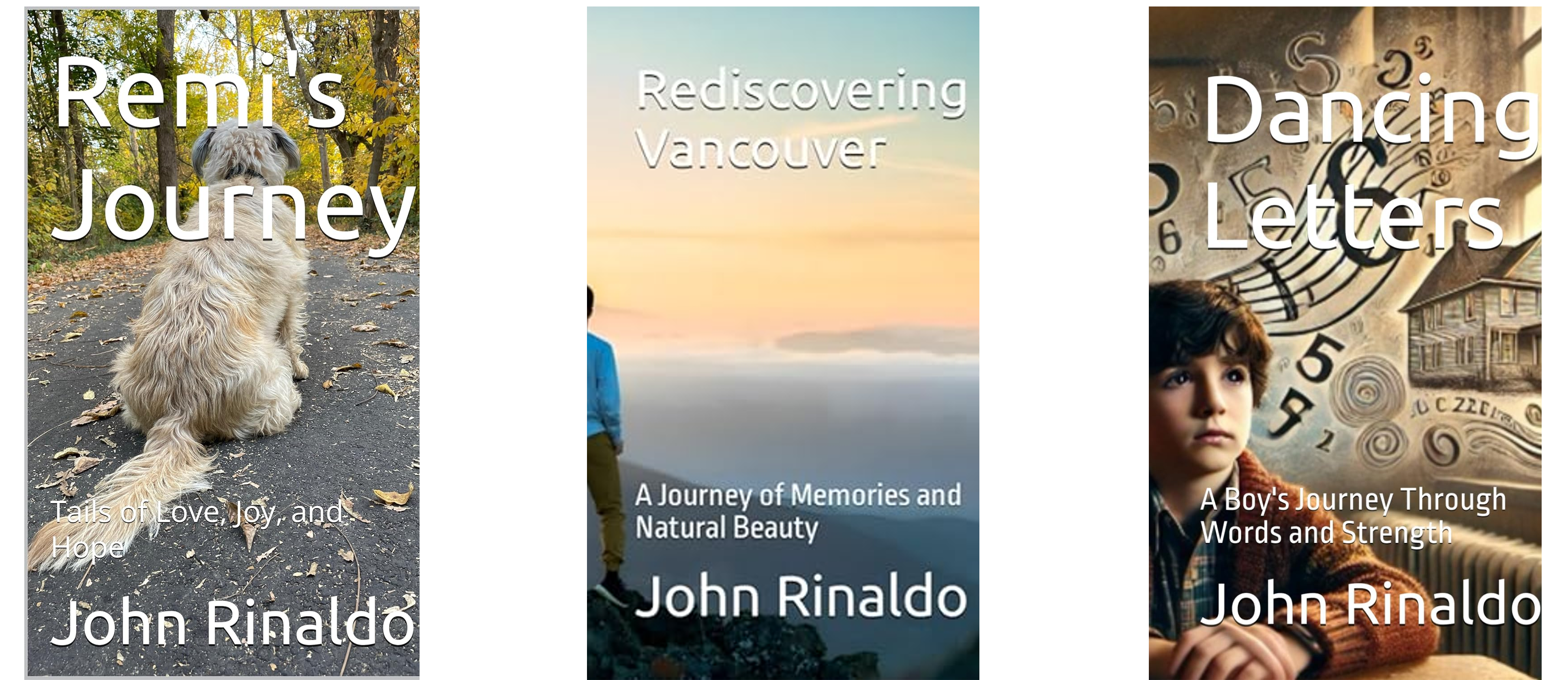
What began as daily reflections on Substack has grown into full books. You can now find them on Amazon, Remi’s Journey, Rediscovering Vancouver, and Dancing Letters.
Inspiration for This Story.
This story was inspired by a post I wrote about restoring kindness in our communities and a poem called Half the Story by Franky Dyson from New Zealand. Her words cut through the noise and reminded me that what looks like apathy in America is often exhaustion — the quiet kind that comes from carrying too much for too long. Her message—that real revolution begins not with shouting but with showing up—moved me to reflect on how we can start small, rebuild trust, and heal together. This story is about hope, empathy, and remembering who we are.
—John Rinaldo
Subscribe to The Positive Pen on Substack for daily reflections and uplifting tales that brighten your week.


Franky, it’s a deeply moving piece. John Rinaldo’s writing reflects your words and reminds us that even in exhaustion, small acts of empathy and presence can rebuild hope and humanity. Yet, sadly, this rarely happens.
Thank you, John.